

Design That Lasts: Pumps and Dispensers for Reusable Home Containers
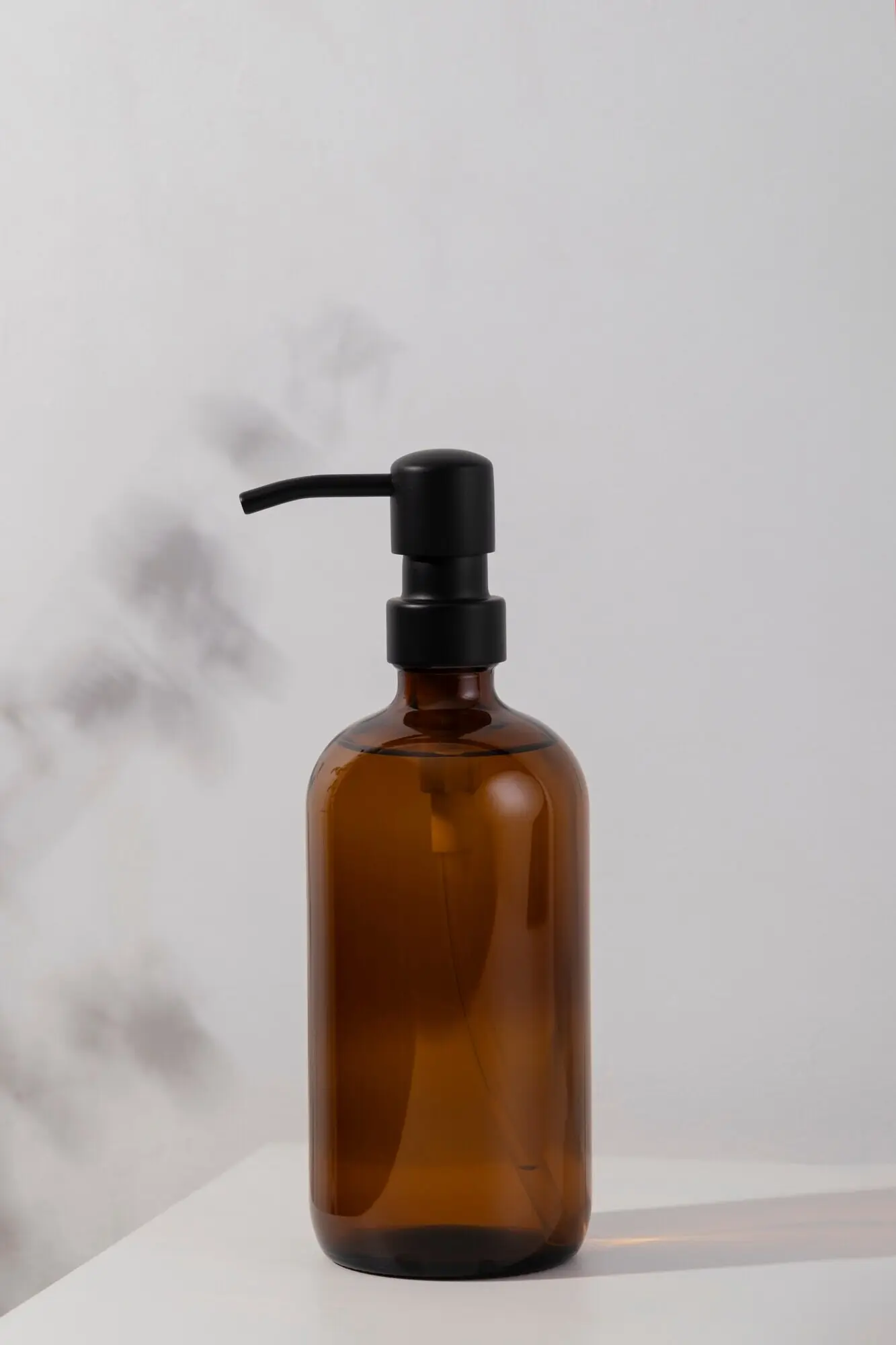
Today we explore designing long-lasting dispensers and pumps for reusable home containers, turning everyday refills into a confident ritual. We will connect materials, mechanisms, seals, ergonomics, testing, and sustainability, so each press feels reliable, clean, and delightfully predictable. Expect practical insights, real stories, and guidance you can use immediately, whether you are engineering at scale or simply upgrading the bathroom and kitchen essentials you already love.
Built to Endure Daily Use
Endurance starts with decisions that respect the messy realities of kitchens and bathrooms. From corrosive soaps to varying viscosities and countless actuations, each detail matters. Priority is given to fatigue resistance, creep control, and a sealing strategy that shrugs off temperature swings and handling. When durability leads, waste shrinks, and the pleasure of refilling becomes a small daily celebration instead of a compromise you learn to tolerate.
Material choices that thrive in wet and soapy environments
Choose polymers and metals that remain stable under surfactants, alcohols, acids, and essential oils. Polypropylene and HDPE resist many household formulations, while PETG adds clarity. For springs, 304 or 316 stainless steel outlasts moisture and mild salts, with Hastelloy reserved for aggressive formulations. Seal elastomers like EPDM or FKM prevent swelling and cracking. Match chemical compatibility charts with real exposure tests, and always validate against your specific refill chemistry.
Mechanism strength and fatigue resistance over thousands of presses
Every pump press is a small workout for springs, pistons, and ratcheting components. Control creep through thoughtful wall thickness, ribbing, and polymer selection. Balance return force with comfortable actuation effort to reduce user strain and component stress. Design stop features that prevent overtravel, easing fatigue on internal parts. Validate with cycle testing that far exceeds expected life, tracking force curves, rebound time, and any changes in dosing accuracy as components wear in.
Consistency across viscosities and shifting formulations
Real homes use everything from thin sanitizers to thick conditioners. Engineer flow paths, orifice sizes, and dip tube diameters that support a wide viscosity spectrum without cavitation or dribble. Consider duckbill or ball valves designed for quick reseal and minimized backflow. Use tolerance stacking analysis to keep clearances reliable under manufacturing variability. Test with temperature exposure to reflect winter chill and hot showers, because viscosity shifts dramatically with everyday environmental changes.
Cleanability and Everyday Hygiene
Long life means nothing if residues accumulate or odors linger. Shape surfaces to shed liquids, reduce crevices, and simplify rinsing. Plan for tool-free disassembly so cleaning feels intuitive, not like surgery. Ensure materials tolerate dishwashing detergents and home sanitizers. By removing bacterial harborage points and encouraging quick maintenance, users confidently refill rather than replace, enjoying a fresh experience with every pump, even months into regular use and frequent handling.
Smooth flow paths and fewer hiding places
Internal geometry should guide liquids through continuous curves, short dead legs, and generous radii that encourage complete drainage. Avoid undercuts that trap product or air. Mirror polish mold cavities where possible to lower surface roughness and residue adherence. Draft angles ease cleaning and discourage film buildup. These elegant shaping choices add up to faster rinses, fewer odors, and consistent dosing after long breaks, making refills feel trustworthy and refreshingly simple.
Tool-free disassembly without part loss
Create snap fits and bayonet twists that are sturdy in use yet intuitive to open for cleaning. Tether small components or nest them within larger parts to prevent misplacement. Use icons and gentle textures to guide direction of twist or pull. Keep the number of components manageable to minimize reassembly mistakes. When people can confidently take everything apart and put it back together in minutes, reuse becomes the effortless default rather than a chore.
Heat and detergent tolerance that protects longevity
Select polymers and elastomers that maintain integrity after repeated hot water exposure and alkaline or enzyme detergents. Verify after multiple dishwasher cycles and air-drying, monitoring for warp, cracking, or seal compression set. Consider UV stabilizers for parts frequently sunlit near windows. Place metals away from extended detergent contact unless validated by corrosion testing. Ensuring the system survives real cleaning routines preserves performance and prevents gradual degradation that quietly erodes trust over time.
Ergonomics and the Pleasure of Use
Strive for a force curve that starts gently, builds smoothly, and returns with satisfying reliability. Early resistance communicates control, not strain. Tune spring rate and piston seals so the push feels confident without wobble or squeak. Validate across wet hands, lotion residue, and quick repeats. The goal is to minimize fatigue for small hands and tender wrists while preserving the assertive feedback that tells users the mechanism is working perfectly every time.
Consistency builds trust. Use internal stops and valve timing to produce stable volumes at normal speeds, then consider tactile or audible micro cues at end of stroke. Subtle clicks or soft rebounds can guide dosing without distraction. Test with thin and thick formulations, measuring retained volume and drip behavior. When accuracy remains tight outside the lab, users instinctively adopt a refill routine because they can count on predictable results repeatedly, even when hurried.
Shape heads and levers for secure grip with wet, foamy fingers. Provide generous surface area and soft edges to prevent pressure points. Consider action from low reach, cramped counters, and varied bottle heights. A flat top welcomes palm presses, while curved profiles help index the thumb. Validate with diverse users, including children, elders, and left-handed testers. By honoring many bodies and contexts, you create a daily object that quietly respects everyone.
Leak-Proof and Refill-Friendly Interfaces
Refilling should be mess-free and intuitive. Respect common neck finishes, pick seals that do not cold flow, and engineer venting that prevents vacuum lock while avoiding dribble. Design closures that stand up to travel and curious hands. By shaping standard compatibility and intelligent flow control into every interface, you eliminate frustration, wasted product, and the temptation to replace rather than maintain a trusted, long-lived system at the kitchen sink or bathroom shelf.

Thread standards and dimensional reliability
Adopt widely used neck finishes such as 28-410, 33-400, or similar standards that support easy replacement and broad compatibility. Model tolerance stacks between neck, gasket, and closure to prevent cross-threading or rocking. Validate with multiple bottle vendors to handle shrink and ovality differences. Consider torque guidance to balance seal integrity and user effort. A repeatably tight interface transforms refills into a confident twist rather than a gamble that leads to sticky countertops.
Seal and liner strategies that truly last
Choose liner materials that resist compression set and chemical attack, maintaining elasticity through many cycles. Explore TPE gaskets, pulp-free liners, or integrated lip seals that perform without complex assembly. Prevent channeling paths that become leak highways over time. Run accelerated aging with heat and pressure to reveal slow failures. When seals outlast expectations, users carry bottles in bags and suitcases without fear, reinforcing trust that makes continued reuse the obvious, delightful choice.
Sustainability Without Compromise
Environmental impact must be proven, not assumed. Favor mono-material architectures that simplify recycling streams, or design metal-free springs when performance allows. Build for repair, not disposal, and document parts that can be replaced. Use life cycle assessment to compare real-world scenarios. Sustainable design is not a slogan; it is measured durability, serviceability, and compatibility that makes refilling attractive, economical, and emotionally satisfying for years beyond the first unboxing moment.
Minimize material diversity to reduce separation hurdles. A PP body, PP head, and PP elastomer can enable single-stream recycling in many regions, provided additives are carefully specified. Design snap fits and living hinges to eliminate metal pins. If performance requires mixed materials, ensure modular disassembly for easy sorting. Clear labeling and disassembly instructions help households and municipal facilities, turning design clarity into palpable recovery rates instead of wishful sustainability claims.
Use life cycle assessment to quantify the benefits of long service life versus frequent replacement. Model water and energy used for cleaning, travel emissions for refills, and the reduced material footprint from avoiding disposable pumps. Numbers motivate better decisions, revealing where small tweaks deliver outsized impact. Share results openly so users understand how maintenance, correct dosing, and repair extend the value of what they already own, multiplying environmental savings across months and years.
Support longevity with o-ring sets, replacement springs where safe, and new dip tubes trimmed to different bottle depths. Publish clear guides with photos and short videos that demystify part swaps. Offer color-coded kits for families or communal spaces. When a squeak or slow leak appears, people should reach for a small envelope of parts, not a trash bin. This mindset turns minor hiccups into proud moments of stewardship and practical ingenuity at home.


Prototyping, Testing, and Validation
Confidence is built in the lab before it is experienced at the sink. Cycle rigs reveal fatigue, chemical baths expose swelling and stress cracking, and drop tests uncover hidden weak points. Combine quantitative metrics with sensory evaluation, because real delight includes sound, feel, and perceived cleanliness. Keep test logs transparent and iterative. Each finding tightens tolerances, improves seals, and ensures dependable performance across formulations, seasons, and daily rhythms that rarely match tidy assumptions.
Manufacturing Excellence and Quality by Design
Production locks in reliability. Molds must manage shrink and warp, assembly must detect micro leaks, and suppliers must track resins and additives with traceable discipline. Build process capability targets into drawings, not just hopes into meetings. Use inline checks for torque, seal compression, and dosing. A consistent factory rhythm yields pumps that feel identical from batch to batch, nurturing the trust essential for joyful, long-term reuse in every room of the home.
Tolerances, process capability, and mold care
Specify tolerances aligned with realistic Cpk targets so parts fit under real-world variation, not just nominal drawings. Maintain molds through scheduled polishing and vent cleaning to preserve surface quality and dimensional stability. Monitor resin moisture, regrind ratios, and cooling profiles. Small drifts become big leaks when accumulated across components. Quality is not a single inspection step; it is the steady heartbeat of maintenance, measurement, and disciplined change control over months and years.
Assembly methods and inline verification
Choose assembly techniques that protect seals and maintain alignment, from ultrasonic welding to controlled torque drivers on threaded joints. Add vision checks for gasket placement and machine learning classifiers to catch subtle deformation. Pressure and vacuum tests should screen for infant leaks without damaging parts. Capture serial data to trace performance trends and intervene early. When every unit gets a measured moment of truth, consumers get the calm assurance that reuse will simply work.
Supplier partnerships and transparent traceability
Map materials from pellet to pump, documenting batch numbers, additive packages, and processing conditions. Collaborate with suppliers on test coupons that mirror critical geometries and wall thicknesses. Share failure modes openly so upstream partners can help prevent repeats. Whenever a field issue emerges, traceability accelerates learning and resolution. The result is a resilient supply chain where each contributor feels responsible for the dependable little press that defines the daily experience at home.
Real-Life Resilience and Community Wisdom

A kitchen tale of patience and payoff
One reader wrote about replacing a leaky generic head with a sturdier design, then tracking drops per dish soap refill for months. After switching, the counter stayed dry, and the bottle lasted through seasonal guests. They discovered that periodic hot-water flushes and a gentle quarterly o-ring swap preserved perfect performance. Their story illustrates how tiny rituals and well-chosen parts create a quiet cascade of convenience, cleanliness, and surprisingly cheerful daily moments.
Maintenance rituals that actually fit busy lives
Great maintenance takes minutes, not weekends. Keep a small caddy with a spare seal set, a silicone-friendly brush, and scissors for trimming dip tubes when bottles change. Schedule a quick rinse during laundry day or while the kettle boils. Align habits with existing rhythms and you will never resent upkeep. Share your fastest routines in the comments, and we will compile the best into printable checklists tailored for bathrooms, kitchens, and shared spaces.

Your turn to shape what comes next
Tell us which refills you love, which pumps exceeded expectations, and where frustrations still live. Ask for comparisons, request teardown photos, or suggest experiments you want tested. Subscribe to receive new guides and lab notes, then invite friends who are curious about reducing waste without losing convenience. The more perspectives we gather, the smarter our designs become, and the more households enjoy the quiet satisfaction of products that simply keep working.