

Live Lighter: Refill Smarter at Home

Today we’re focusing on Refill-Ready Household Essentials, the everyday products designed to be replenished instead of replaced. Expect practical guidance, real-world stories, and smart systems that reduce plastic, cut costs, and simplify routines. You’ll learn how to set up stations, choose compatible containers, find reliable suppliers, and keep everything clean, safe, and clearly labeled, so your home runs smoothly without wasteful clutter or last-minute store runs.

Start Small, Refill Smart

Big changes stick when they begin with easy wins. We’ll map your first refills to items you use daily, reduce decision fatigue with simple container choices, and place supplies where you naturally need them. A few thoughtful placements and predictable replenishment habits will build confidence quickly, turning a well-intentioned idea into a sustainable routine that actually survives busy weeks, visiting guests, and shifting seasons without unnecessary stress or extra errands.

Choose Containers You’ll Actually Use

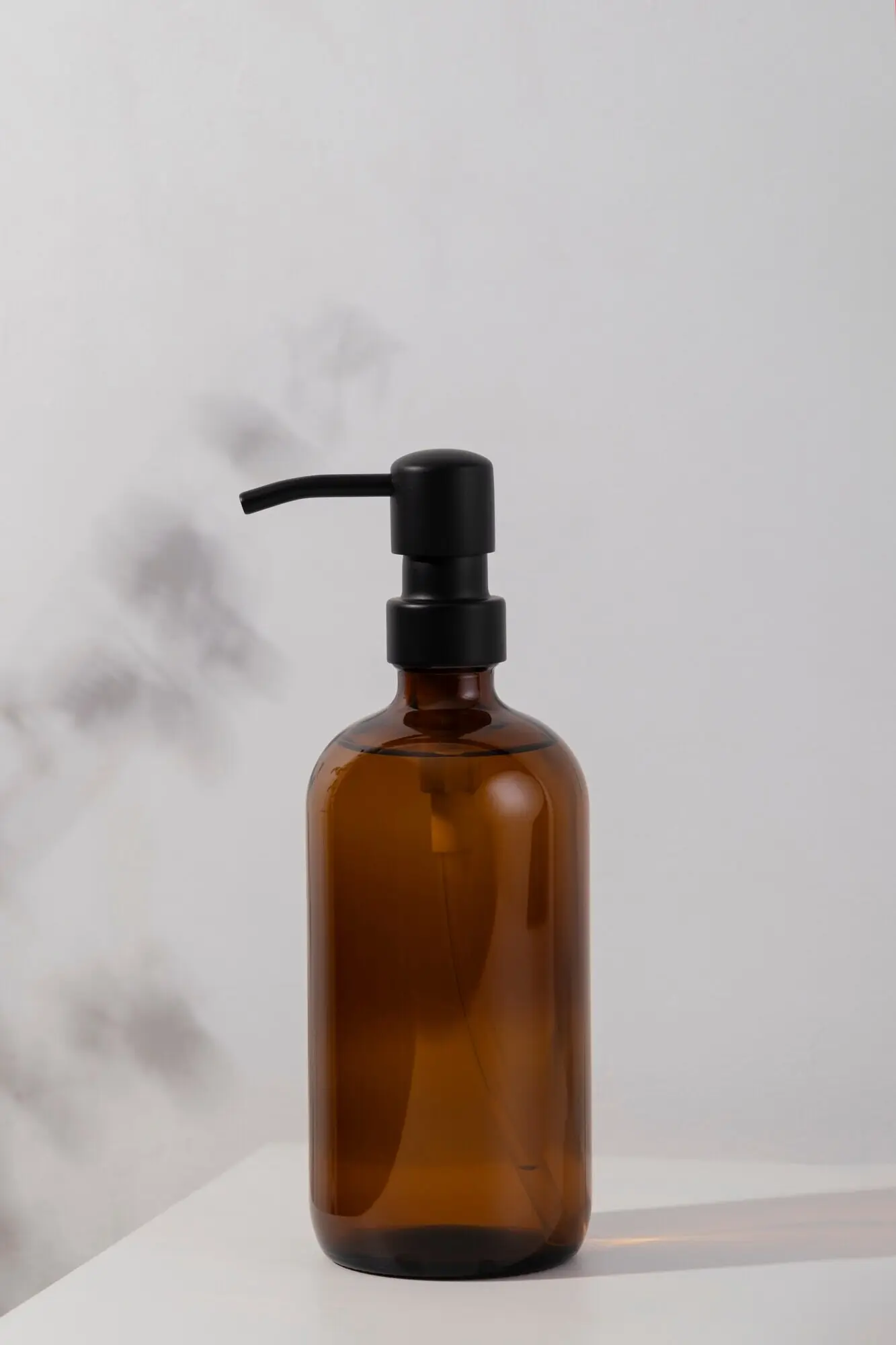
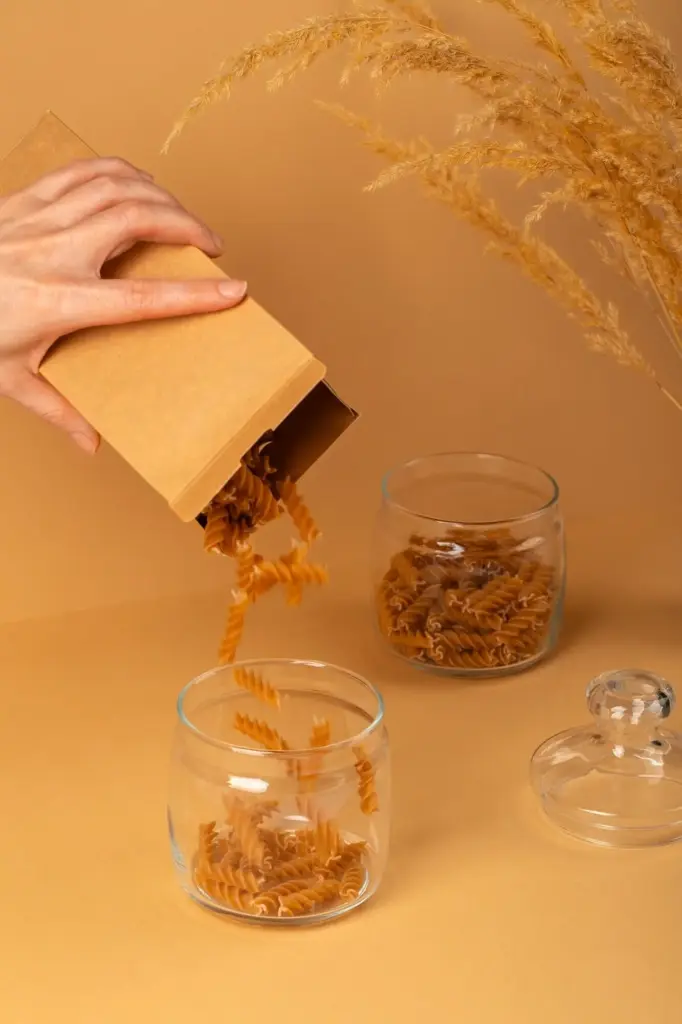
Pick containers that fit your space and habits: sturdy pumps for soap, squeezable bottles for detergent, and wide-mouth jars for powders. Glass looks great, but HDPE or stainless often wins for durability and chemistry compatibility. Test grip, pour control, and cleaning ease. When form supports function, refilling becomes second nature, removing friction and preventing backsliding to disposable packaging during hectic mornings or late-night laundry runs.

Prioritize High-Impact Swaps

Begin with products you empty fastest: dish soap, hand soap, all-purpose cleaner, and laundry detergent. The faster the turnover, the quicker you’ll notice savings, tidier cabinets, and fewer empty bottles. Track one month, then compare refills against previous purchases. Seeing clutter shrink and costs stabilize builds momentum, making the next swap feel obvious rather than idealistic, and shaping a routine that keeps your home stocked without impulse purchases.

Designate Simple Refill Zones

Set up tiny, reliable stations near use points: a tray by the kitchen sink, a basket in the laundry area, and a small caddy in each bathroom. Include funnels, measuring cups, labels, and a microfiber cloth. Keep refill containers nearby but safely stored. When everything has a place, spills drop, measurements become consistent, and anyone in the household can confidently refill without hunting for supplies or guessing ratios.

Match Materials to Formulas

Some cleaners and personal care bases can degrade certain plastics or corrode metals. Check compatibility charts, especially for citrus, vinegar, peroxide, and oil-rich blends. Glass or stainless works for many concentrates, while HDPE thrives with surfactants. Avoid mystery containers and reusing bottles where residues linger. Thoughtful matching protects formulas, extends container life, and keeps textures, scents, and performance stable from the first pump to the very last drop.

Labeling That Survives Steam and Spills

Use waterproof labels or paint markers that resist humidity, soap, and cleaning sprays. Include product name, dilution ratio, batch date, and safety notes. Consider color-coding caps for speed. A quick QR code linking to instructions or ingredients prevents guesswork. Clear labels reduce risk, stop mix-ups between food and non-food items, and empower guests or kids to help responsibly, even when you’re not nearby to supervise every refill decision.

Finding Dependable Sources

Consistent refilling depends on trustworthy suppliers. Explore neighborhood refill shops for bulk basics, consider concentrate tablets to lighten deliveries, and compare subscription services for price stability. Look for transparent ingredient lists, clear dilution guidance, and returnable packaging. When stock levels and quality remain predictable, you’ll avoid last-minute compromises that undermine your system, ensuring every sink, shower, and shelf stays reliably supplied with products you genuinely enjoy using daily.

Local Refill Bars and Bring-Your-Own Etiquette

Weigh empty containers first, note tare, and fill slowly to avoid foam and air pockets. Ask staff about best sellers and allergy considerations. Many shops host community swaps or workshops with technique demos. One reader shared how a friendly refill bar taught them to perfect laundry ratios, eliminating residue and softener entirely. Local expertise transforms guesswork into skill, saving time and avoiding expensive mistakes that discourage new routines.

Concentrates, Tablets, and Powders

Shipping water is costly and heavy. Concentrates, tablets, and powders cut transport emissions and storage bulk. Learn the exact dilution, use distilled or filtered water when possible, and label the final mix clearly. Stock extra tablets for guests or travel kits. Compact formats deliver consistent results with minimal waste, and the tidy drawer full of tiny refills will make you smile every time you skip a store trip.
Subscriptions, Co-Ops, and Group Orders

Align delivery frequency with real usage, not optimistic plans. Track average weekly consumption, then set orders to arrive a few days before typical depletion. Co-ops and group buys unlock better pricing and refill container returns. Share notes with neighbors, compare cost per ounce, and keep a simple spreadsheet. When your logistics are predictable, your cabinets stay calm, your budget steadies, and impulse purchases practically disappear overnight.

Counting Savings and Reducing Waste

Refills shrink both invoices and bins. Calculate cost per ounce, then include container reuse and shipping efficiencies. Over months, fewer emergency dashes and bulky plastic purchases lower stress and clutter. Track empty packaging avoided to visualize progress. Even modest swaps compound into big wins, steadily transforming cabinets, routines, and expectations. It’s not about perfection; it’s about consistent, pragmatic choices that feel good and work beautifully in real life.

Safety, Storage, and Quality Control

Refilling thrives on common-sense safeguards. Separate food and non-food zones, store concentrates away from children and pets, and keep clear instructions near dispensing points. Track batch dates to rotate older stock first. Good habits protect skin, textiles, and surfaces while preserving performance. With thoughtful labeling and a simple check routine, you’ll maintain confidence that every pump, spritz, and scoop is both safe and reliably effective throughout its intended lifespan.

Protect Kids, Pets, and Curious Guests

Use child-resistant caps for concentrates, add cabinet locks where necessary, and never decant chemicals into beverage-like containers. Post simple pictogram labels for clarity, especially in shared spaces. Keep emergency information accessible. Safety is not complexity; it’s clear communication plus predictable storage. When visitors can understand your system at a glance, accidents become far less likely, and everyone enjoys the benefits of thoughtful refilling without avoidable risk or confusion.

Separate Food and Non-Food Supplies

Designate distinct shelves or bins for culinary items versus cleaners and personal care. Color-code lids and measuring tools to prevent cross-use. Strong scents can migrate, so keep fragranced products sealed and away from grains or spices. Maintain a simple map or label inside cabinet doors. This quiet discipline protects taste, quality, and health, ensuring your pantry stays appetizing while your cleaning station remains powerful, organized, and easy to navigate daily.

DIY Boosts and Clever Upgrades

Tidy DIY Formulas That Actually Work

Build a tiny library of trusted recipes: glass cleaner with alcohol and distilled water, descaler with citric acid, and gentle hand soap from a concentrated base. Note water hardness adjustments and storage limits. Keep spoons, funnels, and protective gloves together. When recipes are reliable and easy to repeat, DIY becomes a helpful option rather than a science project, giving you flexibility when shops are closed or deliveries run late unexpectedly.

Dispensers, Pumps, and Measured Dosing

A foaming pump stretches soap and feels luxurious, while a trigger sprayer with adjustable patterns saves product on mirrors and counters. Pre-mark dilution lines on bottles to speed batching. Consider a small scale for precise measurements. These upgrades boost consistency and cut waste, transforming refilling from a chore into a satisfying, repeatable sequence where every squeeze, spray, or pump delivers the exact amount you intended to use.

Travel and On-the-Go Refills

Decant into leak-proof, labeled minis and stash a tiny funnel in your travel pouch. Solid formats reduce spills, while tablets avoid liquid restrictions. Keep a backup zip bag for containment and a small microfiber cloth for oops moments. With portable refills ready, hotel sinks, camp kitchens, and gym lockers stay tidy, and you maintain the habits you’ve built at home without resorting to single-use emergency purchases during trips.

A Friendly 30-Day Switch Challenge

Pick three everyday products and commit to refilling them for one month. Track cost per ounce, empties avoided, and minutes saved. Share your results in the comments so others can learn from real numbers and missteps. Small experiments reveal what works in real kitchens, bathrooms, and laundry rooms, helping new participants leap the learning curve while cheering for progress rather than chasing some impossible, all-or-nothing ideal.

Real Stories That Keep Momentum

A neighbor swapped to concentrated laundry detergent and freed half a shelf, then used the space for neatly labeled towels and a small basket of refill tools. That calm corner made chores gentler, and the habit spread to dish soap. Stories like this remind us the benefits are practical and emotional—cleaner spaces, easier routines, fewer decisions—and they’re especially motivating on hectic days when convenience tempts shortcuts.

Help Us Improve This Guide

Tell us what you’re refilling, where you source supplies, and which containers or pumps truly hold up. Ask questions, request tests, or vote on future comparisons. Subscribe for updates, seasonal checklists, and printable labels. Your feedback shapes experiments, spotlights honest wins and fails, and keeps everything grounded in real homes with real timelines, ensuring this resource grows alongside your household’s evolving needs and aspirations.

Join the Refill Movement at Home

Your routine can inspire others. Share before-and-after cabinet photos, favorite dilution ratios, and small victories like a month without buying plastic-wrapped soap. Invite questions, compare suppliers, and trade empty containers for returns. The more people participate, the easier sourcing becomes, and the more creative solutions emerge. Community turns good intentions into lasting systems that fit different lifestyles, budgets, and spaces without pressure, guilt, or unrealistic expectations of perfection.
Futulafelenapitomexe
Privacy Overview

This website uses cookies so that we can provide you with the best user experience possible. Cookie information is stored in your browser and performs functions such as recognising you when you return to our website and helping our team to understand which sections of the website you find most interesting and useful.