
Refill, Rinse, Repeat: Saving Money and Waste in Everyday Cleaning
Today we dive into the economics of refills—cost and waste savings for laundry and dish care—mapping real price‑per‑load math, packaging reductions, and behavior shifts that actually stick. You will see where money quietly leaks, how plastic use shrinks, and why convenience improves. Expect practical comparisons, small experiments you can try this week, and inspiring examples that keep clothes and dishes spotless while spending less and sending far less plastic to the bin.

What the Numbers Reveal at the Sink and the Washer

Numbers turn vague intentions into confident decisions. By focusing on price‑per‑load, concentration, packaging weight, and transport, you expose hidden costs that glossy labels hide. The payoff is real: fewer impulse purchases, better dosing, steadier quality, and genuine savings that continue month after month without sacrificing cleanliness, fragrance preferences, or convenience for busy households that cannot babysit every bottle or tablet.

Packaging You Don’t Pay For Twice

Packaging is never truly free. You fund it at purchase and again through disposal, time, and municipal fees. Refills typically use far less plastic and cardboard, sometimes seventy to ninety percent less by weight. That means fewer trucks, fewer bins crammed with empties, and less visual clutter at home. Over a year, this reduction becomes visible, measurable, and pleasantly boring—waste simply stops piling up.

Designing Habits That Make Refills Effortless

Savings endure when habits are easy. A small refill nook with a funnel, marker, and towel prevents spills and guesswork. Clear labels and consistent measuring dials kill overpouring. Calendar nudges or automatic deliveries reduce last‑minute store runs. When the environment is set up for success, refilling becomes as natural as loading a dishwasher, and your budget thrives quietly in the background every single week.

Set Up a No‑Excuses Refill Nook

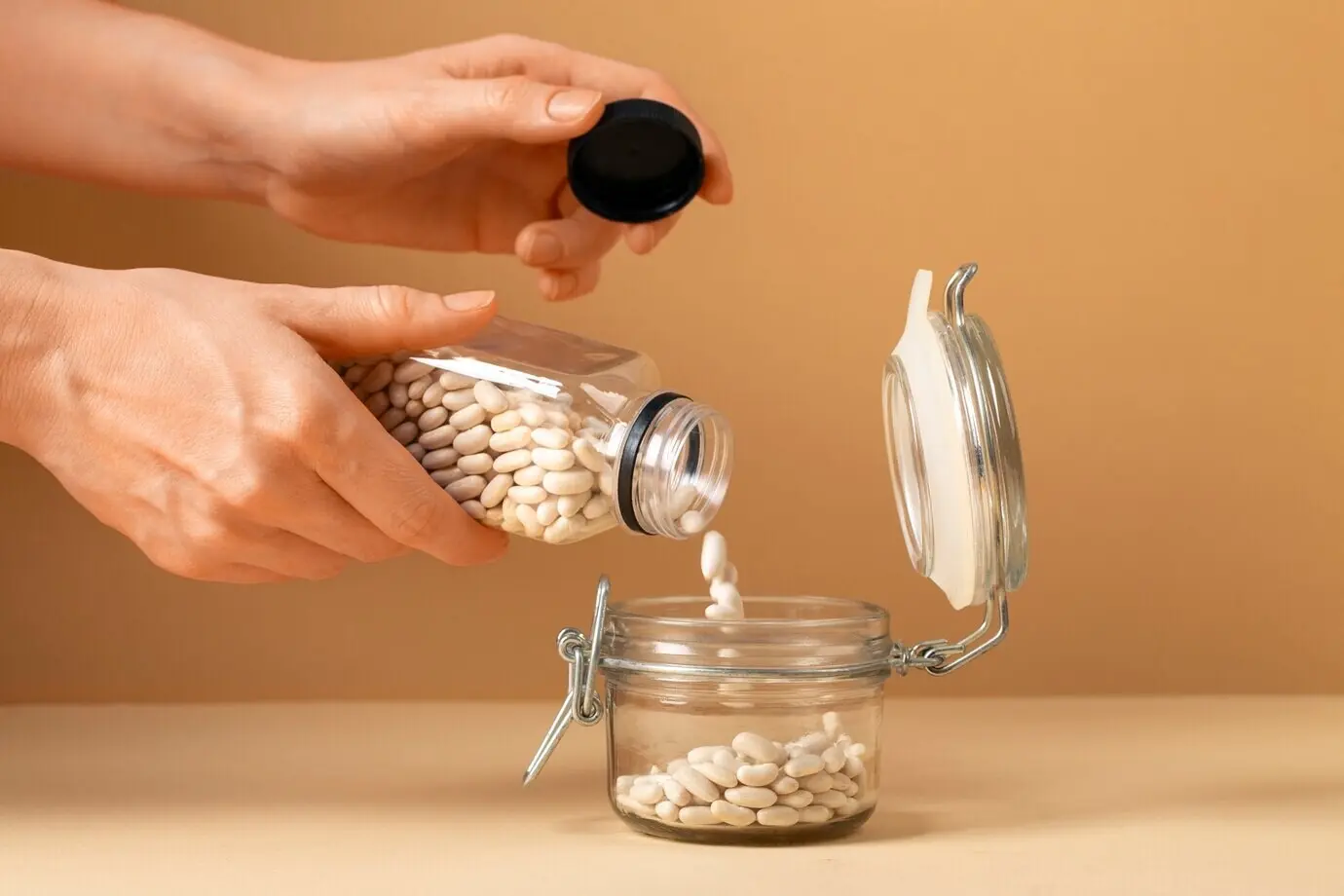
Create a simple station: a tray, funnel, permanent marker, and cloth for wipe‑ups. Place it near the washer or under the sink, not across the house. Keep a backup pouch ready. Every friction you remove reduces spills, panic purchases, and waste. Soon, topping up a bottle feels routine, quick, and oddly satisfying, like clicking a seatbelt before driving or plugging a phone in overnight.

Right‑Sized Containers and Honest Dosing

Choose containers that match actual usage. Oversized jugs invite sloppy pours and wrist strain; tiny ones trigger constant refills. Mark fill lines for light, normal, and heavy soil. That visual guide prevents habitual overdosing that silently drains refills and budgets. Realistic sizing aligns effort with results, supporting reliable cleanliness, softer fabrics, and spotless glassware without mystery suds swallowing time, money, and skin comfort.

Stories From Homes and Stores

Real experiences anchor the math. Families report calmer routines and lighter trash runs. Small shops earn loyalty by offering clean, intuitive refill stations. College co‑ops reduce hallway clutter and teach cost awareness. Each story pairs behavior with numbers—dollars saved, packaging reduced, stress avoided—proving that the approach works outside spreadsheets and marketing. These lived details help you picture what will work in your own space.

Life‑Cycle Signals You Can Feel in Your Hands
You physically notice the difference: lighter parcels, fewer crinkly wrappers, less cap clutter. Those tactile changes mirror real life‑cycle improvements—materials avoided, trucks unneeded, pallets spared. While exact percentages vary, directionality is solid. Combine refills with cooler wash temperatures and full dishwasher loads, and the impact compounds. Personal wins—time, money, calm—arrive alongside environmental gains you can see, lift, and literally carry to the curb.

Regulations Nudging Smarter Packaging

Governments increasingly shift waste costs upstream, encouraging designs that use less material and enable reuse. Retailers respond with refill aisles and standardized containers. The immediate benefit to you is simpler, cheaper, more predictable cleaning supplies. Over time, economies of scale improve convenience even further. Your purchases help legitimize these systems, proving that practical, attractive options can meet hygiene standards and busy schedules without mountains of unnecessary packaging.

Brands, Trust, and the Reuse Flywheel

When companies see consistent refill demand, they invest in durable bottles, accurate dosing caps, and sturdier pouches. Reliable quality builds trust, increasing participation and reducing costs through volume—a positive flywheel. Share feedback generously: label clarity, spout design, fragrance strength. Those details shape future iterations and make refills less messy, more accurate, and broadly appealing to neighbors who care about practicality first and sustainability second.

Audit, Calculate, Commit

Count laundry loads and dish cycles for seven days. Weigh or assess remaining product to estimate honest dosing. Convert prices into cost‑per‑load, then choose the best refill option available locally or online. Write down your decision and timeline. Clear commitments prevent drift and anchor new habits, while your numbers make future comparisons surprisingly fun, like beating a personal record with practical household metrics.

Choose Formats That Fit Your Space

Apartments with tight shelves often prefer slim pouches and compact concentrates. Larger homes might love a counter‑worthy glass dispenser or a rugged jug. Evaluate spouts, caps, and grip comfort to avoid spills. Prioritize stability near children and pets. Good fit means fewer hassles, better dosing, and long‑term satisfaction that keeps the savings and waste reductions rolling without constant tinkering or annoying reorganizations.
Futulafelenapitomexe
Privacy Overview

This website uses cookies so that we can provide you with the best user experience possible. Cookie information is stored in your browser and performs functions such as recognising you when you return to our website and helping our team to understand which sections of the website you find most interesting and useful.