

Smarter Refills for a Cleaner Home

Today we explore concentrates, powders, and liquids when choosing refill formats for household products, translating confusing labels into practical decisions you can trust. We will compare performance, cost-per-use, packaging impact, and everyday convenience, while sharing real-world examples and small tricks that prevent waste, spills, and frustration. Join in, ask questions, and help shape a home routine that feels cleaner, safer, and kinder to the planet without sacrificing results or your precious time.

Why Refill Formats Matter at Home

Refill formats influence more than shelf space; they shape your budget, carbon footprint, storage habits, safety practices, and even how often you clean. Concentrates cut transport emissions and clutter, powders deliver stable potency with minimal water weight, and liquids bring immediate ease. Understanding these differences helps avoid overpaying for packaging, reduce chemical waste, and create routines that truly fit your household. A few thoughtful choices can unlock better results, gentler formulas, and predictable costs that stay friendly month after month.

Cost, Value, and Total Ownership

The cheapest bottle on the shelf can be the most expensive per use, especially when water fills most of the volume. Cost-per-use depends on dilution ratios, dose control, waste from spills, and how often you overpour. Concentrates typically drop costs when measured correctly; powders stretch dollars with stable potency; liquids trade savings for convenience. Track a month of cleaning, tally doses, and compare. Small measuring upgrades, like squeeze caps or labeled refill lines, reliably lower spending without compromising results.

Cleaning Performance Across Formats

Results depend on soil type, water hardness, surface material, and time. Grease responds differently than mineral scale or protein stains, and formats shine in different scenarios. Liquids often excel at quick kitchen films, powders bring builders and oxygen for laundry brightness, and concentrates let you tailor strength for bathroom grime. Consider dwell time, agitation, and temperature to get the most from your chosen format. Performance improves noticeably when dilution, contact time, and rinsing are matched thoughtfully.

Tackling Grease and Kitchen Films

Kitchen soils are a cocktail of fats, proteins, and burned residues. Liquids deliver fast wetting and emulsification, especially when paired with warm water and a little agitation. Concentrates can be mixed stronger for range hoods or oven racks, then dialed back for counters. Powders also work, though dissolution is key. Give formulas a minute of dwell time, wipe with a microfiber cloth, and rinse to avoid redeposit. Consistency beats brute force every single week.

Laundry Soils, Enzymes, and Brightness

Enzyme-rich liquids target proteins from sweat and food, working effectively at moderate temperatures. Powders often include oxygen bleach and builders that lift dinginess and help prevent graying. Pre-treating concentrated spots on collars or cuffs boosts outcomes without using a full-strength wash. Match format to load type: heavy gym wear may love enzymes, while towels and sheets benefit from powder’s mineral control. Rinse thoroughly, and calibrate dose to machine size, not wishful thinking about miraculous tiny pours.

Hard Water, Film, and Residue Control

Mineral hardness can sabotage the best product, leaving films, stiffness, and cloudy glass. Powders often contain builders that bind calcium and magnesium, improving rinse quality. Concentrates let you increase strength where hardness is severe. Liquids with chelating agents also help, yet may require slightly higher doses. Track your water hardness, then tweak dilution, temperature, or add a softening aid. The result is clearer glass, softer fabrics, and fewer frustrating do-overs that waste time and money.

Footprint, Packaging, and Waste

Packaging weight, recyclability, and refill compatibility directly influence footprint. Concentrates reduce freight emissions by shipping fewer liters of water; powders typically use lightweight boxes or canisters; liquids often arrive in heavier plastic. Consider materials like glass, aluminum, HDPE, and recycled cardboard. Refill stations, returnable containers, and concentrated pouches minimize waste dramatically. Pair thoughtful purchasing with good rinsing before recycling, and you’ll meaningfully lower environmental impact without losing performance. Incremental improvements here scale beautifully across months and households.

Safety, Storage, and Daily Life

Home safety grows easier with small, deliberate practices. Concentrates demand careful labeling and child-resistant caps; powders need dry, sealed containers; liquids appreciate tight lids and clear dosing tools. Store everything at or below eye level to reduce drops and splashes. Keep products in original containers or clearly marked refills, note dilution ratios, and separate acids from bleach. These habits protect kids, pets, and surfaces, while preventing costly accidents and confusion during busy mornings or late-night cleanups.

Labeling That Prevents Dangerous Mistakes

Write dilution ratios directly on your refill bottles, add a date mixed, and include a brief hazard note. Use a bold marker, waterproof labels, or color-coded tape that everyone in the household understands. Never mix incompatible products, and keep measuring tools separate for cleaning use. Clear labeling relieves guesswork, helps guests or teens pitch in safely, and ensures refills remain consistent. When you revisit a routine months later, good notes transform chaos into calm, repeatable success.

Fragrance, Dyes, and Sensitivity Choices

If skin or respiratory sensitivities exist, choose fragrance-free or low-allergen formulations regardless of format. Powders often avoid excess solvents; liquids can deliver gentle surfactants; concentrates allow lighter scent levels through tailored dilution. Test a small area or a single laundry load and watch for reactions. Ventilate during use and avoid aerosolizing strong cleaners in tight spaces. These modest steps protect comfort while keeping cleaning pleasant and effective, especially in homes with babies, seniors, or recovering family members.

Bathroom Scale and Soap Scum
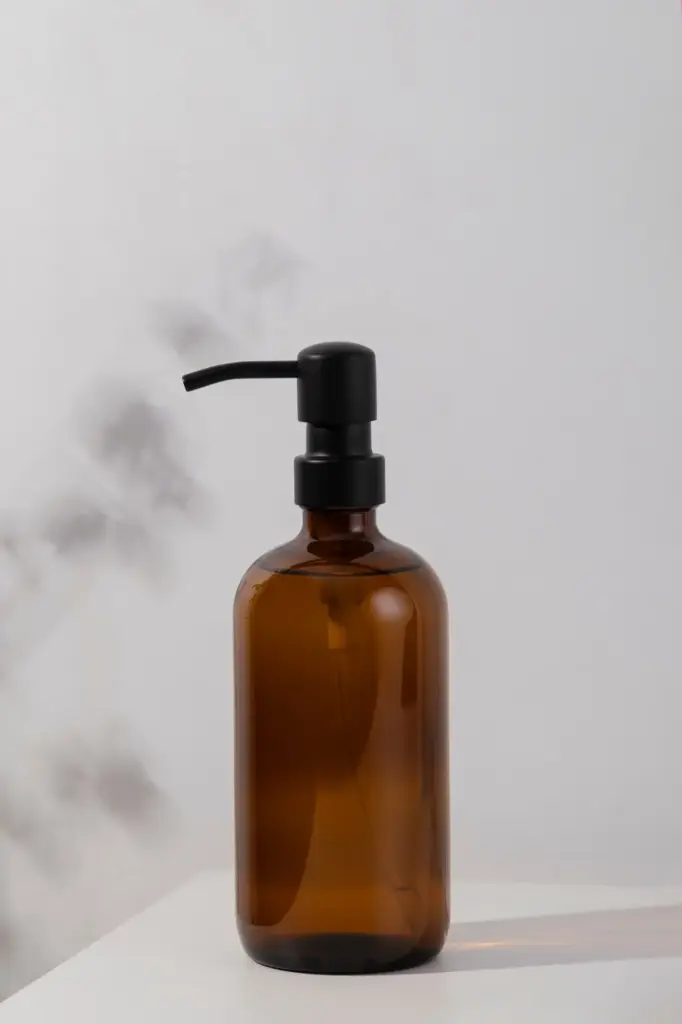
Mineral scale responds to acidic or chelating cleaners, while soap scum needs surfactants and patience. A concentrate mixed slightly stronger for tiles, followed by a light scrub and rinse, minimizes elbow grease. Liquid daily sprays maintain clarity between deep cleans. Powders can help on tough grout when fully dissolved. Always ventilate, test small sections, and avoid mixing with bleach. Build a routine that separates maintenance from restoration, and your bathroom stays fresh with less effort.

Floors and Multi‑Surface Routines

For sealed floors, a dilute concentrate delivers a streak-free finish with minimal residue, especially in hard water areas. A measured cap prevents sticky films and protects finishes. Liquids in ready-to-use mops are fast for spot care. Powders can work for outdoor scrubbing where thorough rinsing follows. Always wring microfiber well, refresh solution as needed, and avoid over-wetting wood. A repeatable cadence, like weekly light care with monthly deeper passes, keeps rooms feeling inviting and resilient.
Futulafelenapitomexe
Privacy Overview

This website uses cookies so that we can provide you with the best user experience possible. Cookie information is stored in your browser and performs functions such as recognising you when you return to our website and helping our team to understand which sections of the website you find most interesting and useful.